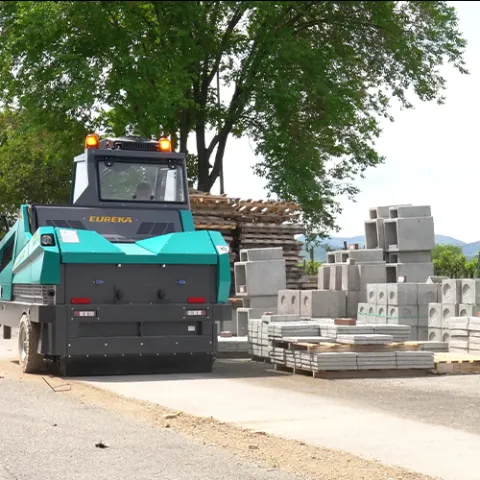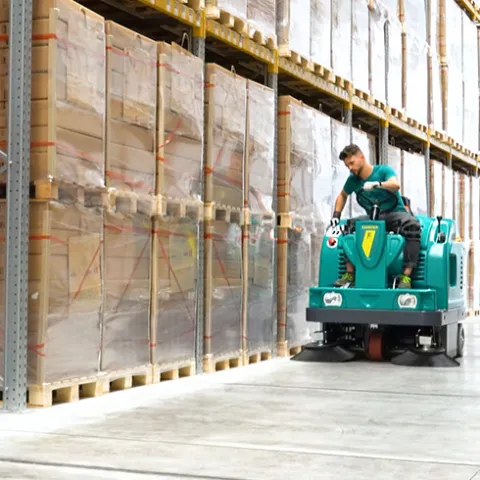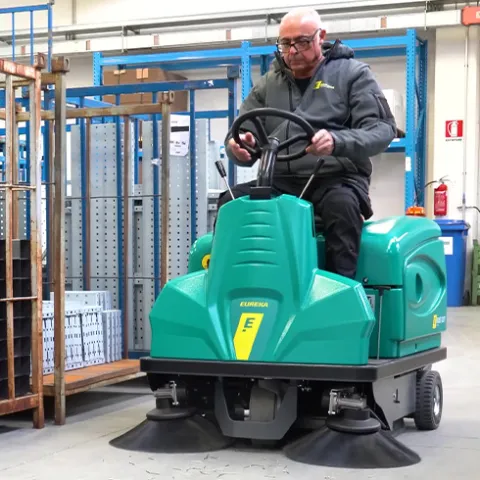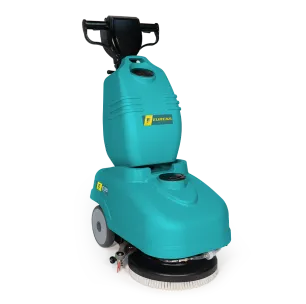
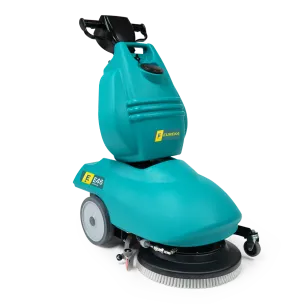
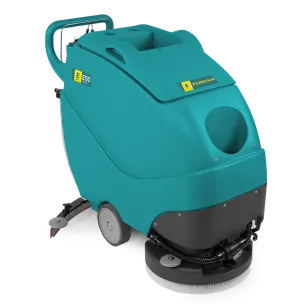
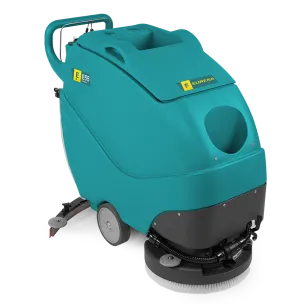
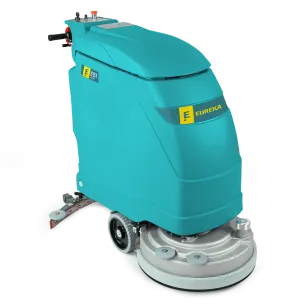
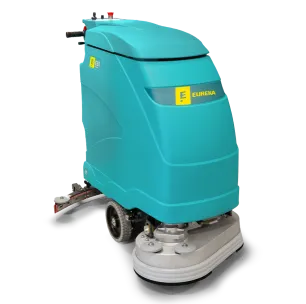
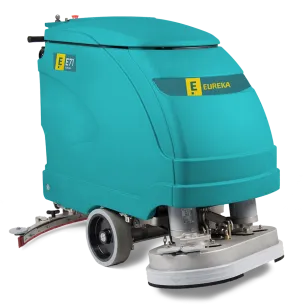
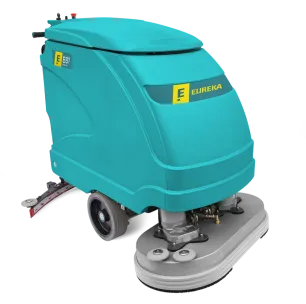
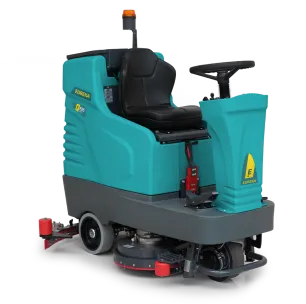
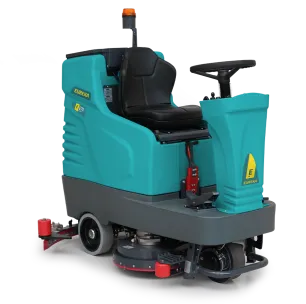
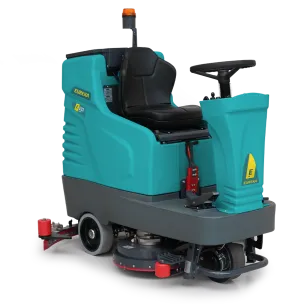
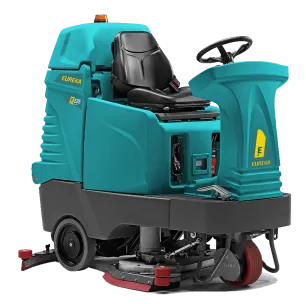
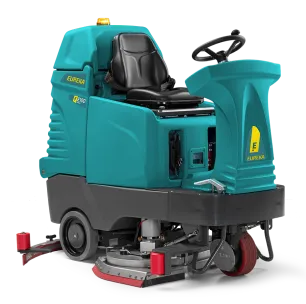
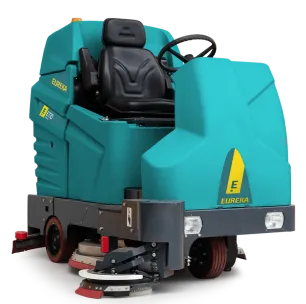
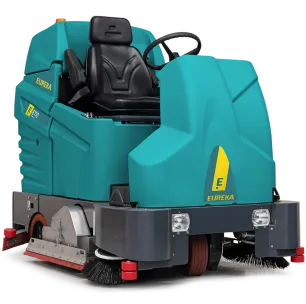
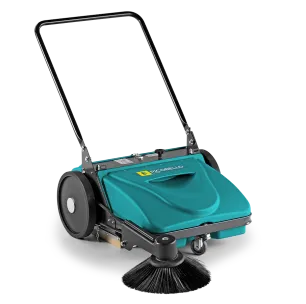
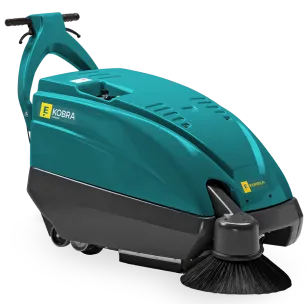
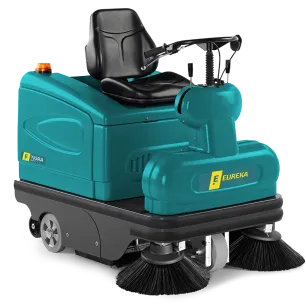
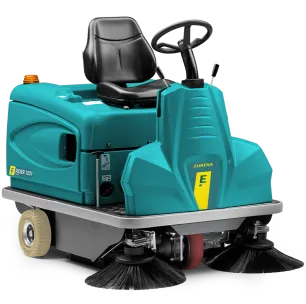
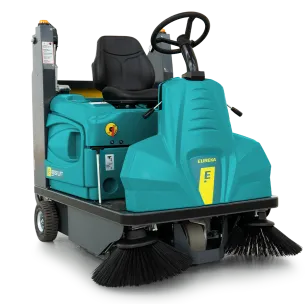
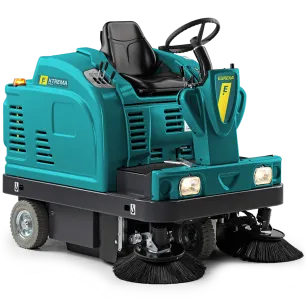
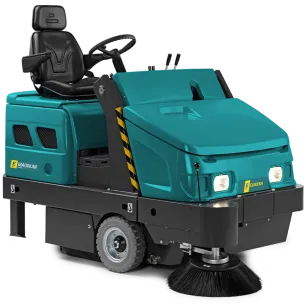
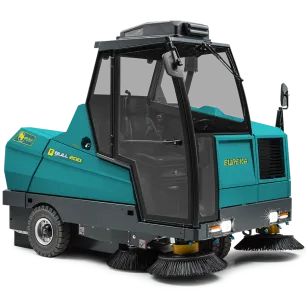
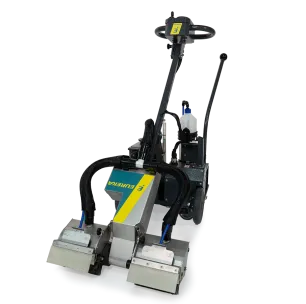
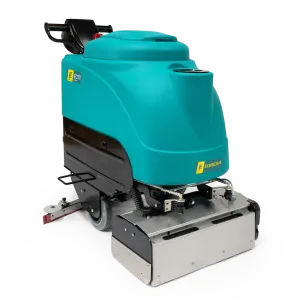
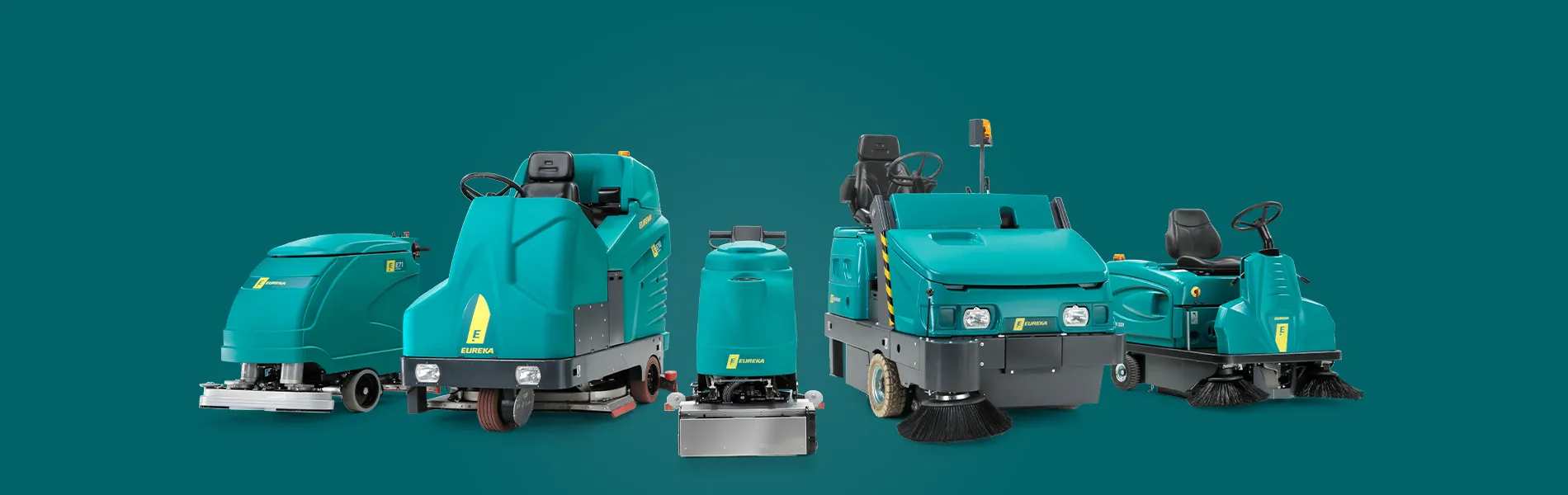
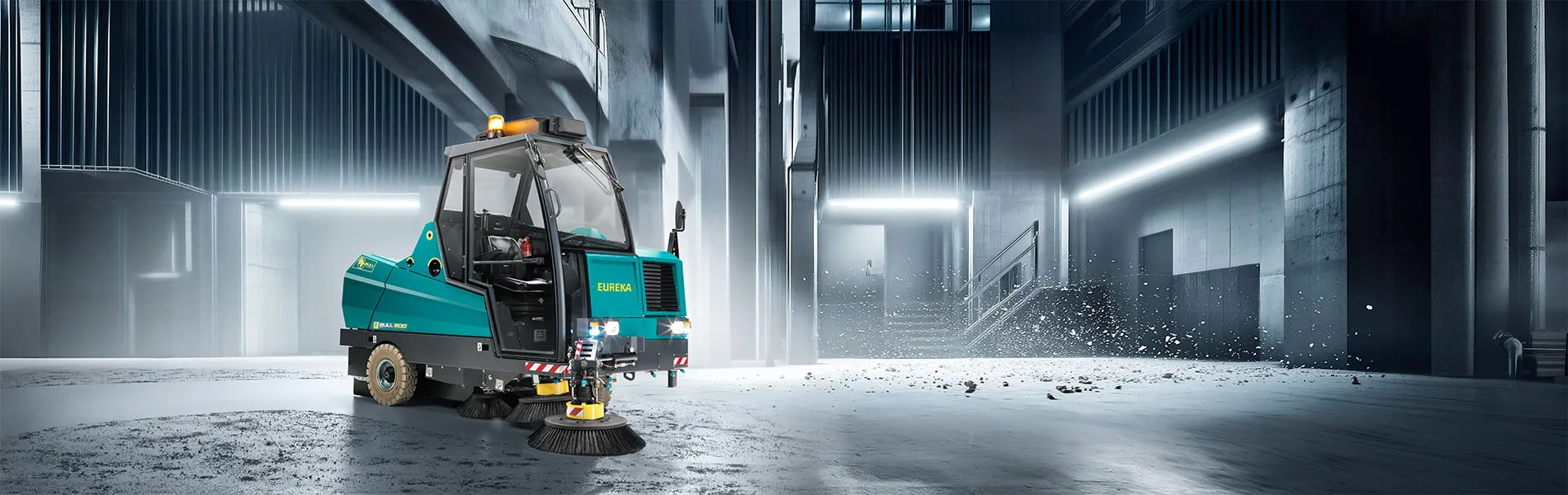
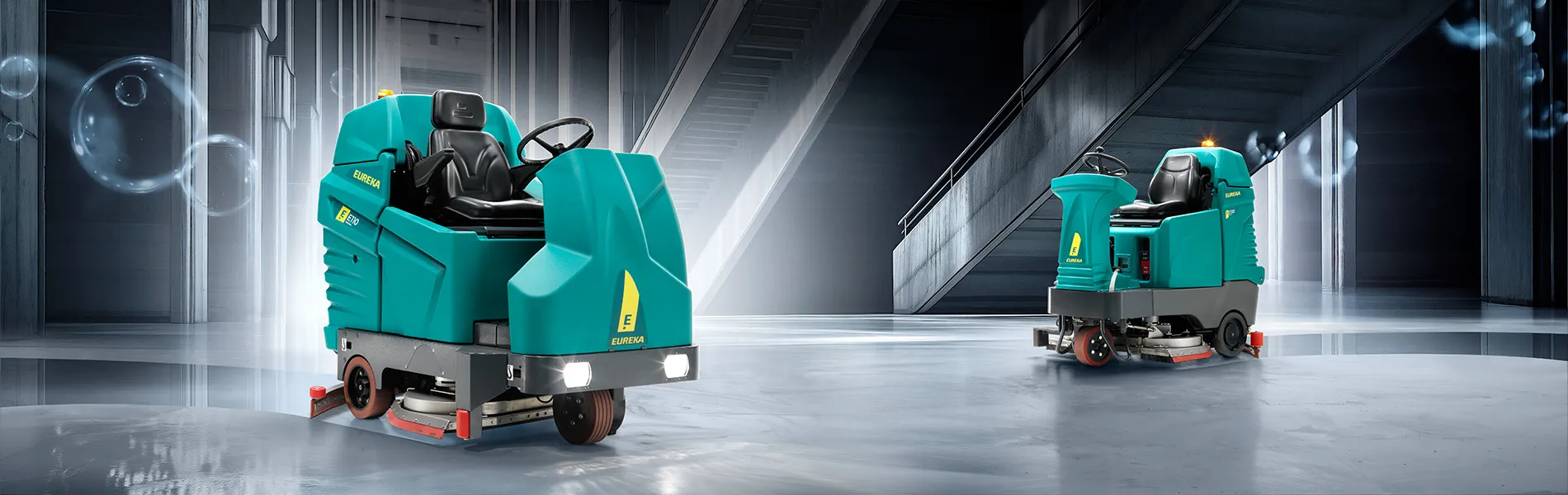
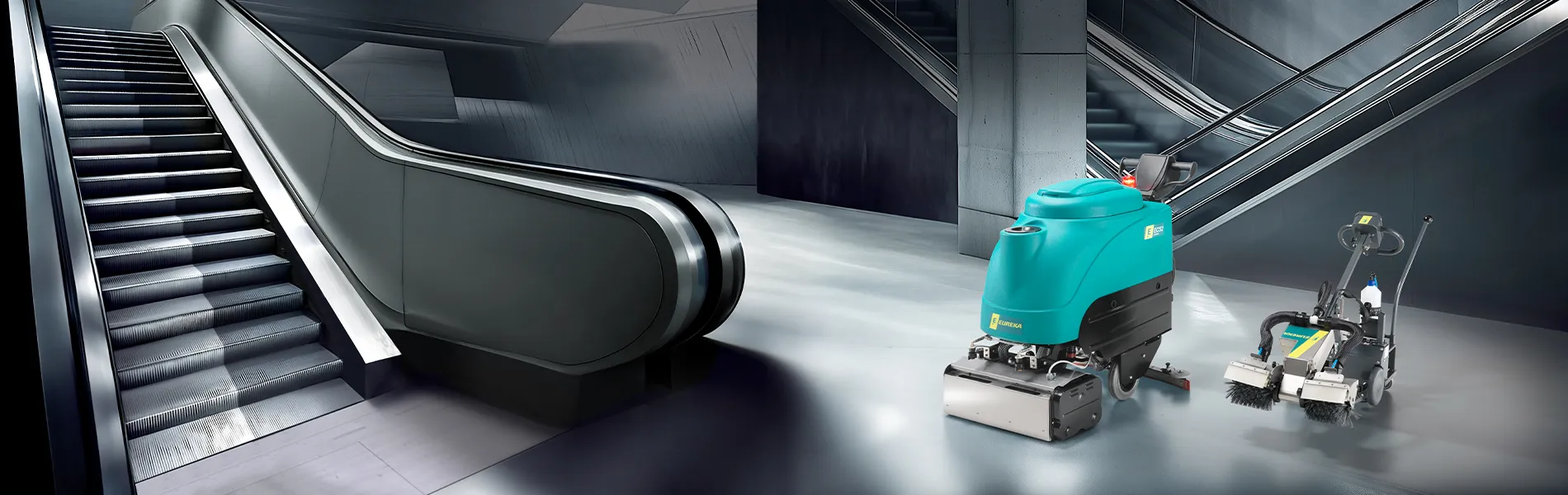
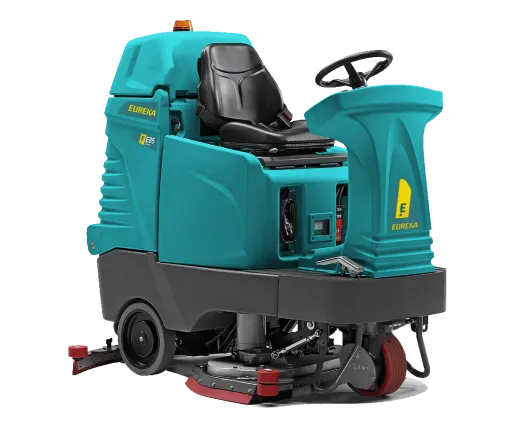
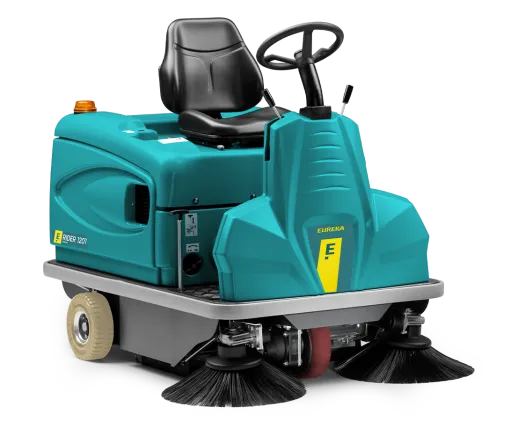
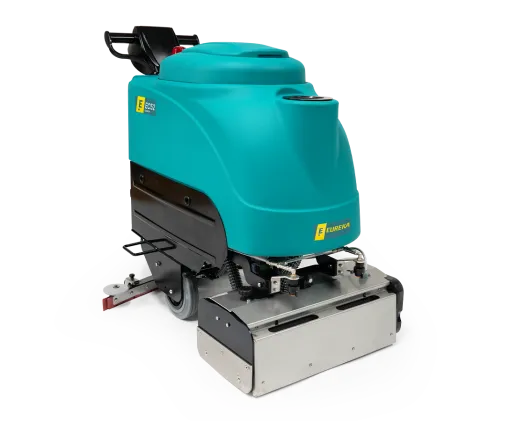
In today’s metalworking industry, welding is one of the most widely used processes for assembling frames, components and industrial machinery. In many manufacturing facilities, manual, automatic or robotic welding stations operate around the clock, generating a large amount of debris. Ideally, this should be removed daily using professional floor cleaning machines such as those in Eureka’s extensive range of ride-on and walk-behind sweepers and scrubber-dryers. Having the most suitable machine for the size of the floor, the type of dirt present and other specific requirements makes it possible to organise quick and efficient cleaning routines. This in turn ensures health and safety at work, proper maintenance of equipment and uncontaminated end products, thanks to consistently clean floors. Eureka offers a wide range of solutions perfectly suited to solving these problems.
Welding does not only produce fumes and fine particulate matter that remains suspended in the air. A significant proportion of the particles produced settles onto the floor in the form of metal dust, grinding residues, slag, oxides and small splashes of molten metal. Spatter, for example – the small droplets of molten metal projected by welding operations – cools rapidly and settles on the surrounding surfaces. These residues are particularly common in MIG/MAG and arc welding, where they tend to accumulate beneath the welding stations and along production lines.
If not removed promptly, spatter, dust and metal fragments can spread quickly throughout the entire plant due to the movements of forklift trucks, pallet trucks and staff. Without proper management, cleaning requirements localised in the immediate vicinity of welding stations can become a much wider problem. Furthermore, slag, metal filings, metal oxides, grinding residues and solidified spatter can have very sharp edges. When crushed under footwear or distributed by wheels, such particles can lead to mechanical wear, damage to seals, tyre wear on handling equipment and health hazards.
The most common risks associated with the build-up of dust and metal residues from welding are:
- increased risk of slipping
- poorer quality working environments
- contamination of components and production lines
- reduced efficiency in internal logistics
- increased maintenance costs
For this reason, modern metalworking companies see the cleaning of production areas as an integral aspect of industrial organisation.